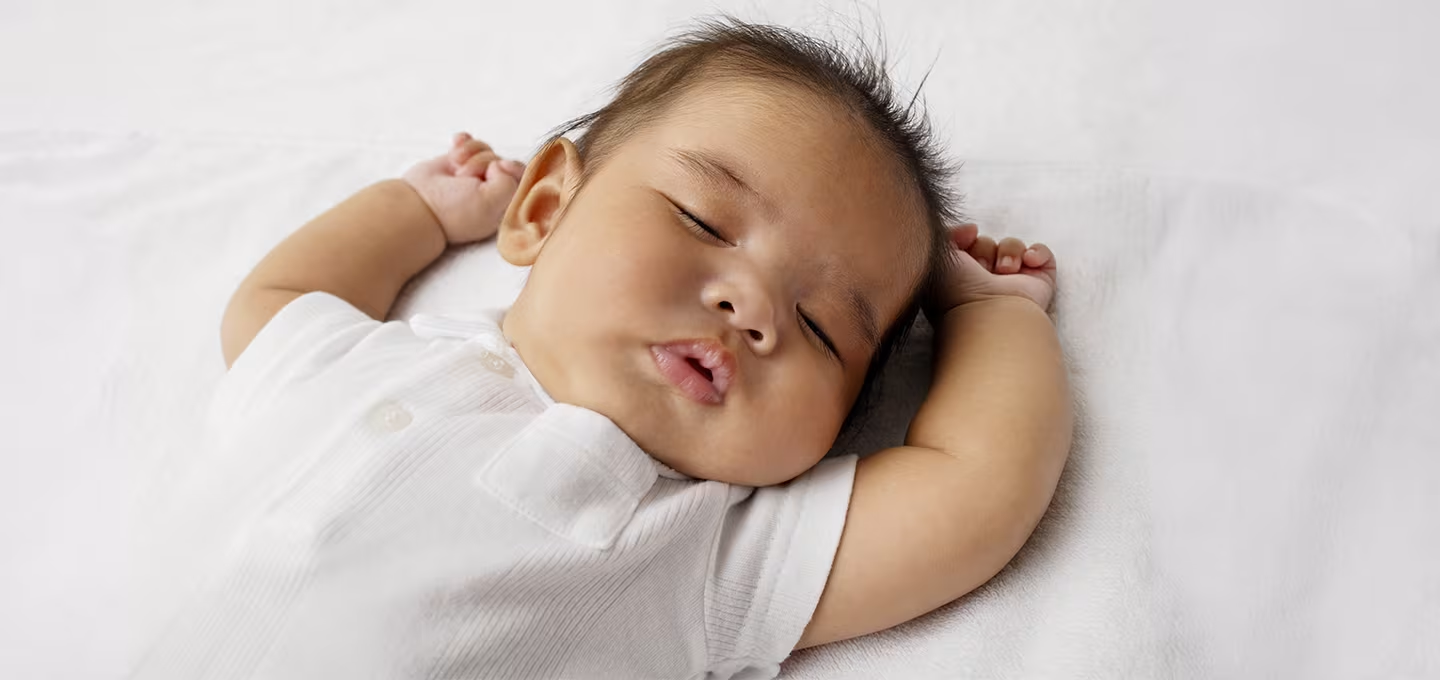
Why Your Baby Shouldn’t Sleep on Their Stomach
For a baby in their first year of life, back-sleeping is the recommended safe sleeping position. Sleeping on the stomach is an unsafe sleeping position because it can increase the risk of sudden infant death syndrome (SIDS). Find out more about sleeping positions for your baby, including whether babies can sleep on their stomachs, and how you can ensure a safe sleep environment for your baby.
When Can Babies Sleep on Their Stomachs?
All babies should be put to sleep on their backs for every sleep, including naps, during their first year of life. You may wonder, is it OK for a baby to sleep on their tummy before their first birthday? The answer is no; it's important to place your baby on their back until they are at least one year old. After your baby turns 1, you can let them sleep in any position they prefer, though you should continue to place them in the crib on their back.
The back-sleeping position—along with other important precautions, such as keeping the crib free of loose bedding and toys—helps reduce the risk of SIDS.
Is It Safe for Your Baby to Sleep on Their Stomach?
It's not safe to put your baby to sleep on their stomach. You might ask, "Is it OK for a baby to sleep on their tummy? " Unfortunately, sleeping on the tummy increases the risk of SIDS. The same risk applies if you place your baby on their side. From the side-sleeping position, they can easily roll onto their stomach, ending up in a risky sleeping position.
It's important to reposition your baby onto their back if you see them change to a side or stomach position. However, some older babies are able to roll themselves back onto their backs after rolling onto their sides or stomachs. If your older baby is comfortable rolling in both directions (back to stomach and stomach to back), then you don't have to reposition them. Always make sure there's nothing in the crib besides your baby.
Some researchers believe that sleeping on the stomach face down can block airways and impair a baby’s breathing. Stomach-sleeping may also increase the chance of your baby “rebreathing” the air they already expelled. The chance of this increases if your baby’s crib contains a soft mattress, bedding, stuffed animals, or a pillow near their face. Rebreathing expelled air causes a decline in oxygen levels and an increase in carbon dioxide.
Until your baby reaches their first birthday, always place them in their crib on their back. Make sure the crib has a firm crib mattress that’s covered with a tight-fitting sheet.
The crib shouldn’t contain any loose bedding, bumper pads, blankets, quilts, pillows, or stuffed animals. It should be completely empty.
What if Your Baby Rolls Onto Her Stomach During Sleep?
If you notice your baby has rolled onto their stomach or side during sleep, gently roll them back onto their back.
Some parents may worry and wonder if a baby can sleep on their tummy if they roll over themselves during sleep. If your baby is older and they’re able to roll over both ways by themselves, you don't have to return them to their back. However, when you put your baby down for nighttime sleep or a nap, always place your baby on their back.
At What Age Can Your Baby Sleep on Their Stomach?
After your baby turns 1, you should still place your baby in their crib on their back. During sleep, they can roll over into any sleeping position they prefer, including sleeping on their stomach.
It's OK for your baby to be on their stomach when they’re awake in the daytime during a head-and-neck-strengthening practice called tummy time. Be sure tummy time sessions are supervised at all times by you or another adult.
What Should You Do if Your Baby Prefers Sleeping on Their Stomach?
Some babies may prefer to sleep on their stomachs. So, you might wonder, "Can babies sleep on their tummy if they prefer it? " Even if it's their preference, babies sleeping on their tummies is not safe during the first year. You should always place your baby in their crib on their back.
If during sleep your baby ends up rolling onto their stomach or side, return them to their back. Continue to do this until your baby is older and can confidently roll both ways (back to side or stomach, side or stomach to back).
The Bottom Line
The best and safest sleeping position for your baby during the first year of life is on the back. A baby sleeping on their stomach can increase the risk of SIDS. This is why it's important to always place them on their back for every sleep.
If your newborn or young baby does roll onto their side or stomach during sleep, return them to the back position. Continue doing this until your older baby can comfortably roll both ways on their own.
Stay ahead of sleep safety and everything else related to your baby’s sleep by downloading the Smart Sleep Coach app by Pampers. It's jam-packed with expert-guided classes, videos, and articles, as well as tools to help solve your baby’s sleep challenges. Kick off your journey with this FREE Sleep Assessment!
When to Stop Swaddling Your Baby: Signs to Look Out For
By Christopher B. Peltier
Swaddling is a soothing technique recommended in your baby’s infancy. Find out when it’s recommended to stop swaddling and what signs to look out for.
Read more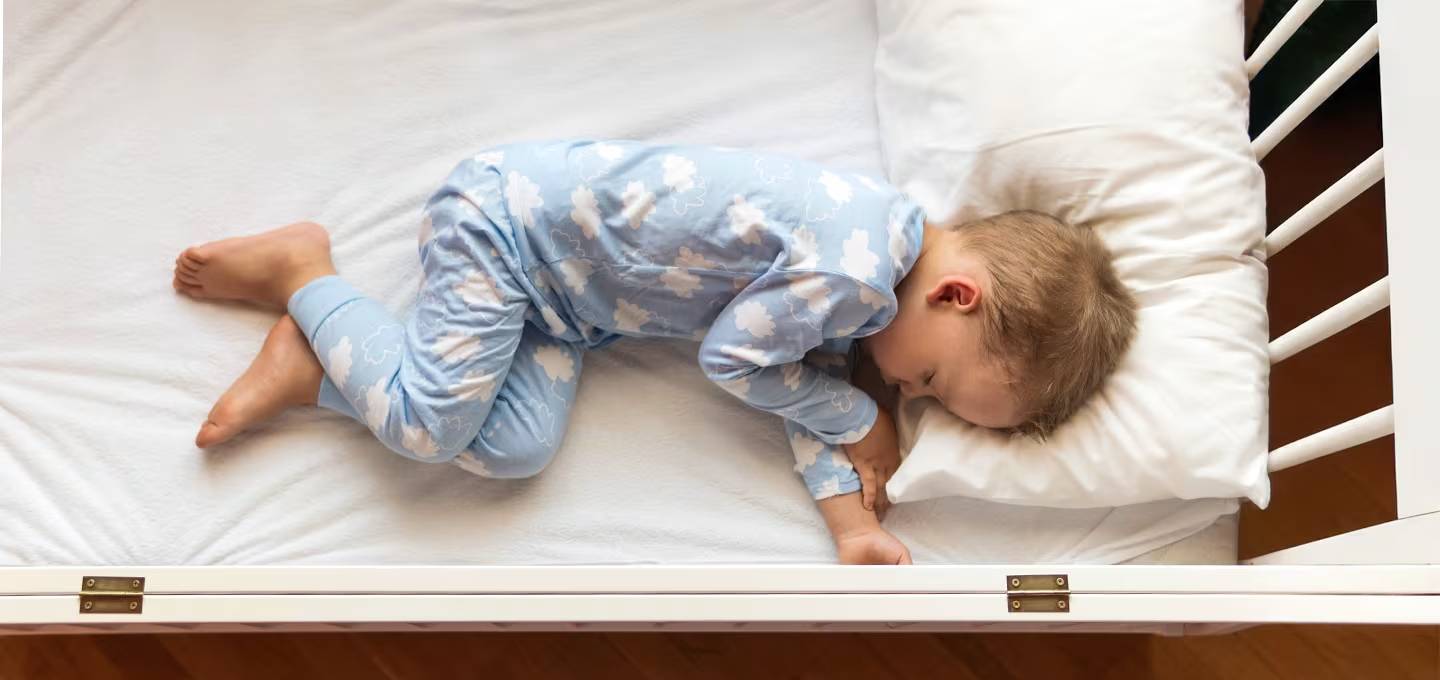
When to Convert Crib to a Toddler Bed?
Discover when the best time is to convert your child’s crib to a toddler bed and how to make the transition safe and easy.
Read more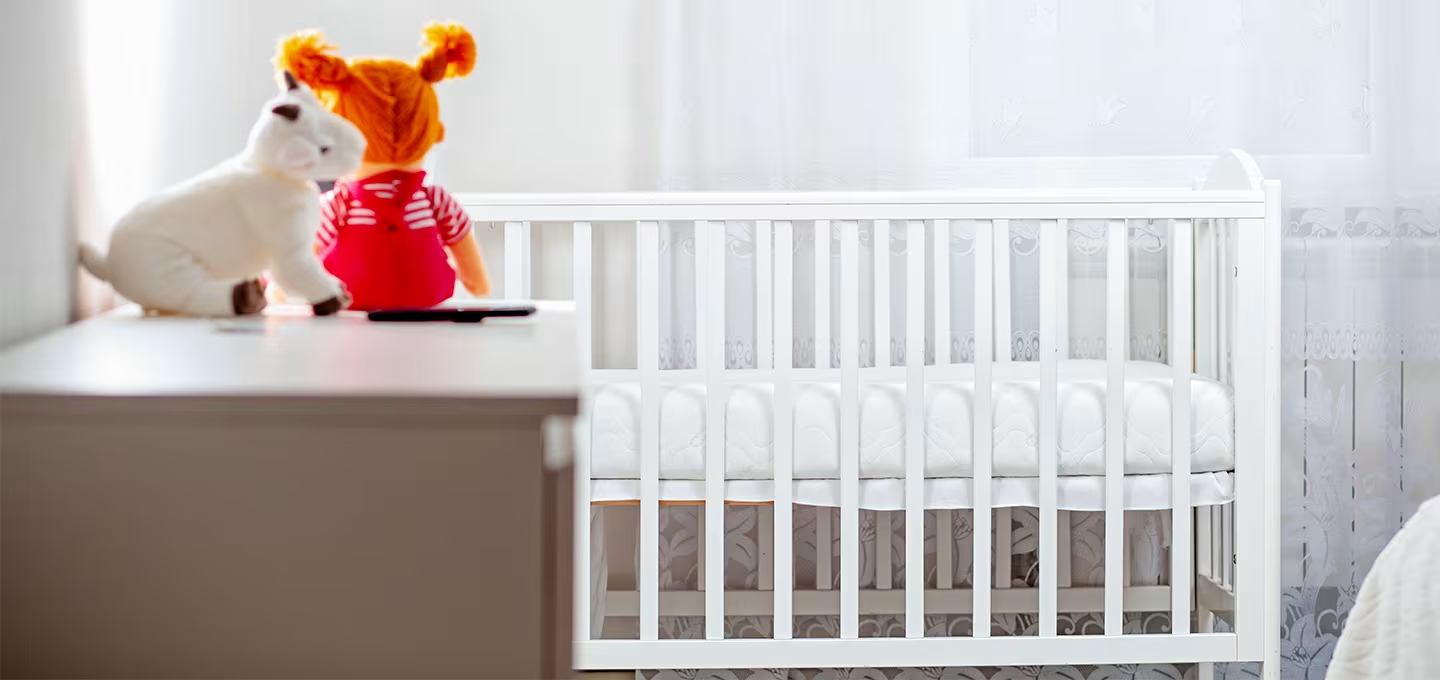
What Is Sudden Infant Death Syndrome (SIDS)?
By Terri L. Major-Kincade
SIDS (sudden infant death syndrome) refers to the unexpected death of an infant, usually while asleep. Learn all about SIDS and its risk factors.
Read more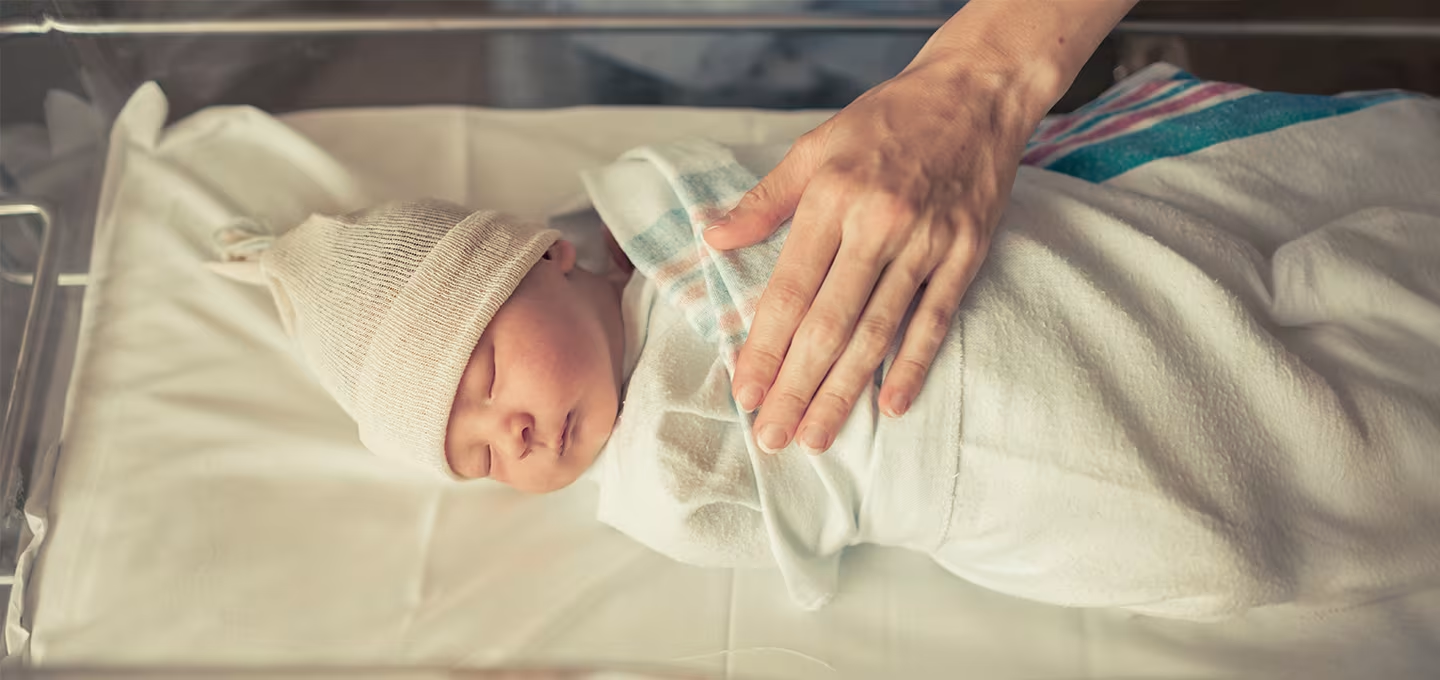
How to Swaddle a Newborn Safely: Step-by-Step Guide
By Christopher B. Peltier
Swaddling can soothe your baby and support better sleep. Learn safe, step-by-step techniques, when to swaddle, when to stop, and what to avoid.
Read more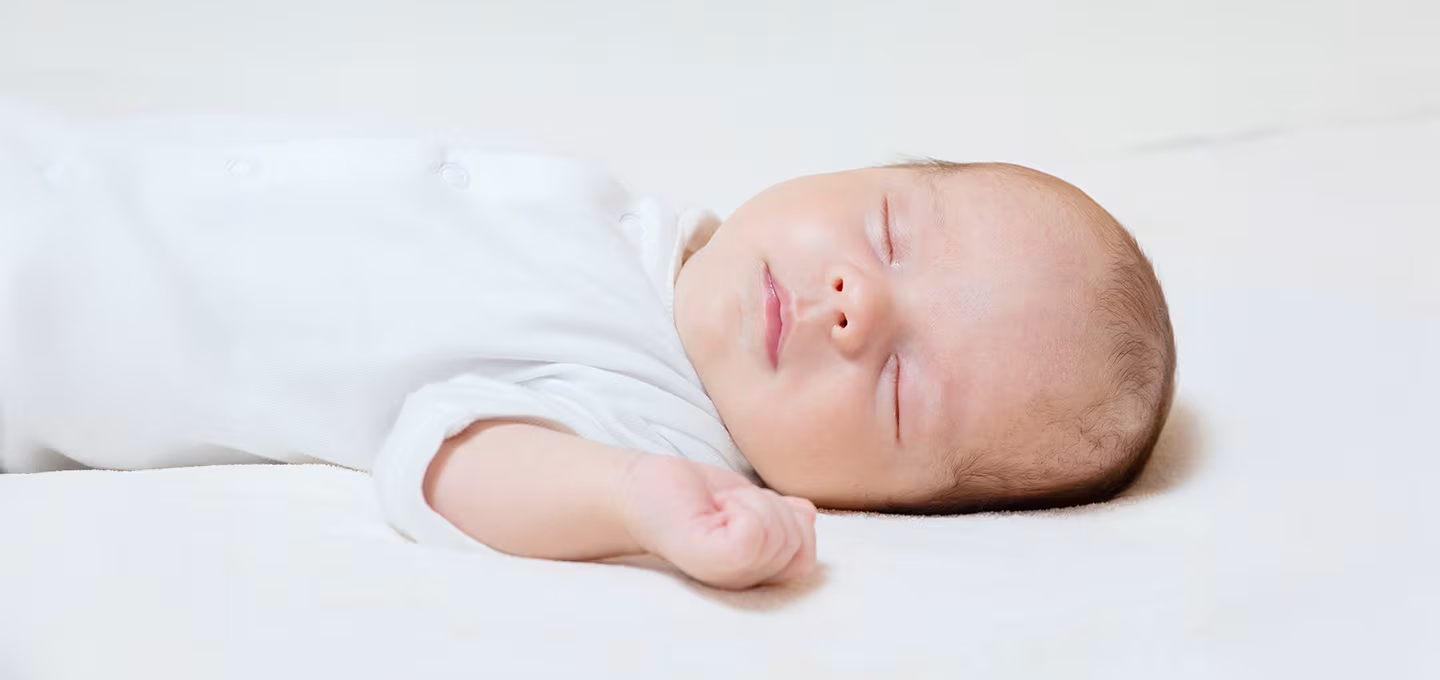
What’s the Best Room Temperature for a Sleeping Baby?
Learn about the ideal room temperature for your sleeping baby. Make sure that your baby's room is not overheated or too cool with these practical guidelines.
Read more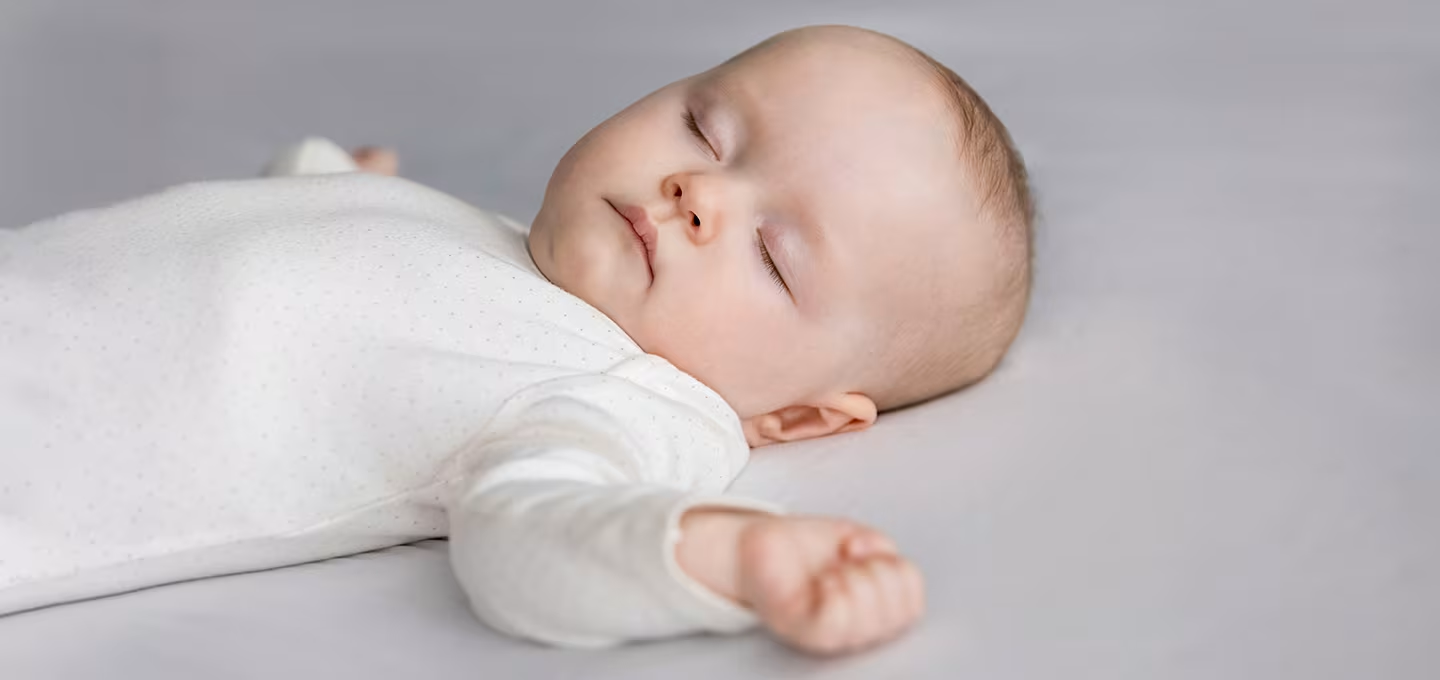
When Do Babies Start Dreaming?
Do babies dream? Uncover the mystery and discover when your baby first starts to dream.
Read more
When Can Babies Start Sleeping With Blankets?
By Christopher B. Peltier
Learn when babies can safely sleep with blankets, how to keep them warm without one, and essential tips for safe sleep practices based on AAP guidelines.
Read moreWhen to Stop Swaddling Your Baby: Signs to Look Out For
By Christopher B. Peltier
Swaddling is a soothing technique recommended in your baby’s infancy. Find out when it’s recommended to stop swaddling and what signs to look out for.
Read moreWhen to Convert Crib to a Toddler Bed?
Discover when the best time is to convert your child’s crib to a toddler bed and how to make the transition safe and easy.
Read moreWhat Is Sudden Infant Death Syndrome (SIDS)?
By Terri L. Major-Kincade
SIDS (sudden infant death syndrome) refers to the unexpected death of an infant, usually while asleep. Learn all about SIDS and its risk factors.
Read moreHow to Swaddle a Newborn Safely: Step-by-Step Guide
By Christopher B. Peltier
Swaddling can soothe your baby and support better sleep. Learn safe, step-by-step techniques, when to swaddle, when to stop, and what to avoid.
Read moreWhat’s the Best Room Temperature for a Sleeping Baby?
Learn about the ideal room temperature for your sleeping baby. Make sure that your baby's room is not overheated or too cool with these practical guidelines.
Read moreWhen Do Babies Start Dreaming?
Do babies dream? Uncover the mystery and discover when your baby first starts to dream.
Read moreWhen Can Babies Start Sleeping With Blankets?
By Christopher B. Peltier
Learn when babies can safely sleep with blankets, how to keep them warm without one, and essential tips for safe sleep practices based on AAP guidelines.
Read moreWhen to Stop Swaddling Your Baby: Signs to Look Out For
By Christopher B. Peltier
Swaddling is a soothing technique recommended in your baby’s infancy. Find out when it’s recommended to stop swaddling and what signs to look out for.
Read more