Pinkeye (Conjunctivitis) in Babies: Causes and Treatment



If your baby’s eye is red, they might have an eye condition commonly known as pinkeye. You might have also heard it called conjunctivitis, which is the medical name for pinkeye. Although it can be uncomfortable for your baby, pinkeye can be treated and will go away within about 10 days. Read on to learn more about what causes pinkeye, what the symptoms are, how to treat it and help prevent its spread, and when to see your baby’s healthcare provider.
What Is Pinkeye?
Pinkeye is one of the most common eye conditions affecting both adults and children. The condition is an inflammation of the thin tissue lining the inside of the eyelid (this is called the conjunctiva) and the white part of the eye.
The inflammation causes the blood vessels in the eye to become more visible, which makes it look like the whites of the eye are red or pink—hence the name.
In some ways, pinkeye is a little like the common cold. Just like a cold, pinkeye can spread easily between children if someone is infected, and pinkeye often doesn’t require treatment for the condition to resolve by itself.
Pinkeye can be uncomfortable for your child but it typically won’t affect your baby’s eyesight.
Signs and Symptoms of Pinkeye
Symptoms depend on what has actually caused the pinkeye and may include the following:
Causes and Diagnosis
It can be hard to pinpoint the exact cause of pinkeye in babies; however, the main causes are typically
Tell your baby’s healthcare provider if your little one has had contact with someone with viral or bacterial conjunctivitis, or if you think something irritated their eyes.
To diagnose pinkeye, your child’s healthcare provider will likely check your baby’s eyes for redness and discharge. The provider may even check your baby’s ears for signs of infection since the same bacteria that causes pinkeye can also cause ear infections.
How to Treat Pinkeye
Eye infections often last anywhere between 7 and 10 days. If your baby’s pinkeye gets worse or doesn’t improve after about a week, take your little one in to see their healthcare provider.
If the provider determines that a bacterial infection has caused the pinkeye, they will likely prescribe antibiotic eye drops or an ointment. If a virus is behind the condition, the provider can give you advice on how to help soothe the symptoms while the viral infection lasts. And if the pinkeye is a result of allergies, the provider may prescribe allergy medication (either by mouth or eye drops) to treat the symptoms.
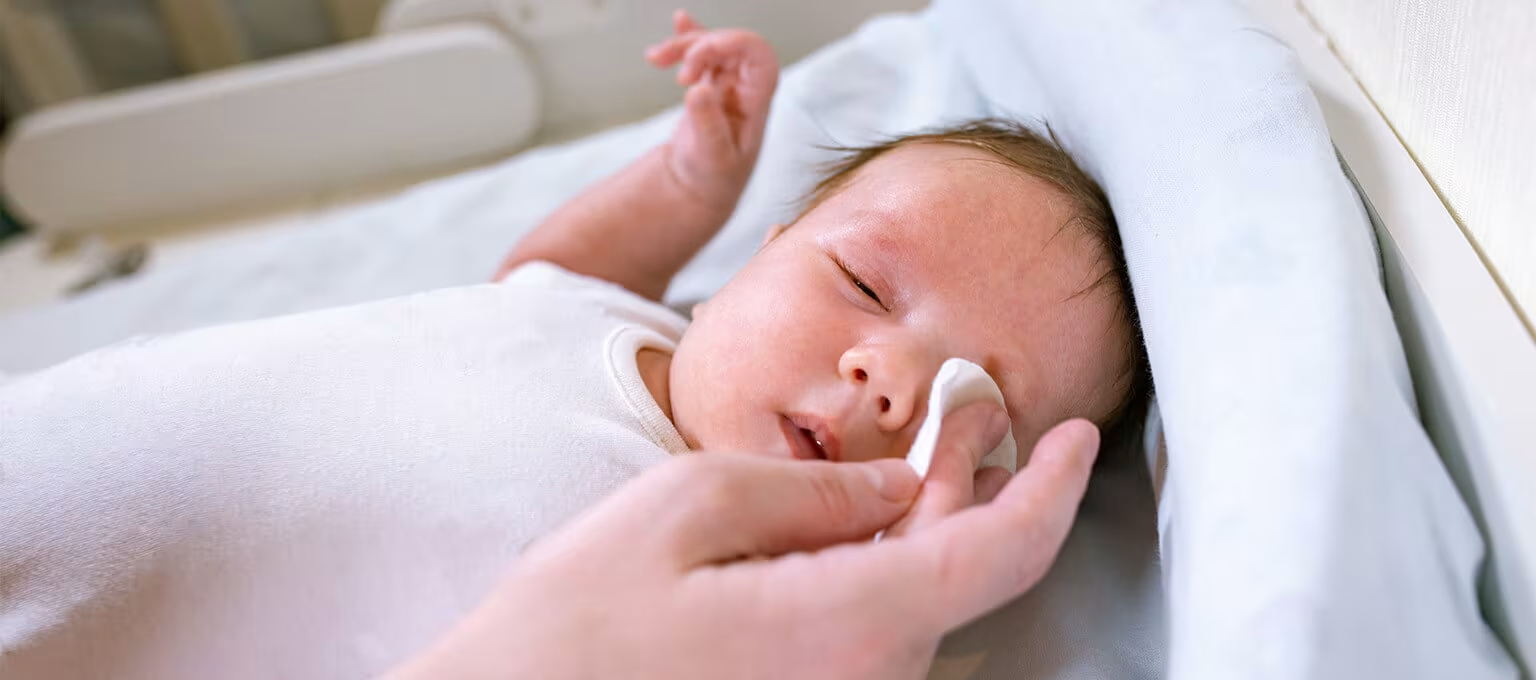
There are also some home remedies you might like to try to give your little one some relief. Use a cool or warm washcloth as a compress to soothe the affected eye and learn how to clean your baby’s eyes properly. Clean any crust or discharge with gauze or a cotton ball dipped in warm water.
If your baby has any of the following, take them to your provider right away:
Pinkeye in Newborns
Shortly after birth, newborns are treated with antibiotic ointment or drops. This is to prevent infections that may arise from exposure to viruses or bacteria during pregnancy or during the trip down the birth canal. If your newborn does develop pinkeye, you should see your healthcare provider as soon as possible to prevent complications. It could be the result of an infection, irritation, or even a blocked tear duct.
Is Pinkeye Contagious?
Viral and bacterial pinkeye are both very contagious, spreading easily from person to person.
How to Prevent Pinkeye From Spreading and Reoccurring?
Make sure that you and everyone in your home frequently wash their hands with soap and warm water, especially after providing any at-home treatment to your baby. Be sure to wash your baby's hands, too.
It’s also a good idea to launder anything (like washcloths, pillows, or towels) that was used by your baby separately from the rest of the household laundry to prevent the infection from spreading.
If your baby’s pinkeye was caused by an allergic reaction or irritation, these steps might help prevent it from reoccurring:
FAQS AT A GLANCE
Depending on the cause, signs of pinkeye can include
- a pink or red, swollen, watery eye
- sensitivity to light
- an itchy, painful eye
- green or yellow discharge from the eye
- crusting on the eye and eyelashes
- excessive tearing.
The Bottom Line
It may be upsetting to see your beautiful baby with a bright pink or red eye infection, but just like many childhood illnesses, pinkeye tends to go away with time and/or treatment from your baby’s healthcare provider.
With your baby on the road to recovery, why not take a moment to check out the Pampers Rewards app—a great way to pile up the Pampers Cash and earn rewards for your diaper purchases.
- American Academy of Pediatrics. Caring for Your Baby and Young Child: Birth to Age 5, 6th ed. (New York: Bantam Books, 2014).
- Kids Health. “Conjunctivitis.”
- Kids Health. “First Aid: Pinkeye.”
Chicken Pox in Babies and Toddlers, and During Pregnancy
By Terri L. Major-Kincade
Chicken pox is common for babies and toddlers—and even for you during your pregnancy. Read on to learn about symptoms, treatment, and when to visit the doctor.
Read more
Helping Your Baby with Constipation
By Christopher B. Peltier
Discover remedies for relieving your baby's constipation, signs to watch for, and tips on when to consult a healthcare provider.
Read more
Strep Throat in Babies and Toddlers: Signs and Treatment
Strep throat in toddlers and babies is rare and not usually serious for children under 3. Learn more about strep throat, its symptoms, and possible treatment.
Read more
Baby Diarrhea: Causes, Symptoms, and Treatment
By Christopher B. Peltier
Find out what to do if your baby or toddler has diarrhea, signs to look out for, and the possible causes. Plus, learn how to prevent it from happening.
Read more
FAQ: What Is Fifth Disease?
By Christopher B. Peltier
Fifth disease is a type of mild viral infection that can affect some young children. Learn more about its symptoms and treatment here.
Read more
Coughs in Babies and Toddlers: Causes, Symptoms, and Treatment
By Terri L. Major-Kincade
Discover what types of coughs there are, and what they may mean for your baby or older child. Learn remedies and when to see your child’s healthcare provider.
Read more
What to Do if Your Baby Has Reflux or GERD
Occasional acid reflux can be a common condition in your infant’s first year, but if it happens too frequently, it may be a condition called GERD. Learn about the symptoms of reflux and how it can be treated.
Read more
Baby Arching Back: Why Do Babies Arch Their Backs?
By Terri L. Major-Kincade
Why is your baby arching their back? There are many reasons why babies arch their backs! Learn when it’s normal and when to contact your healthcare provider.
Read more
How to Prevent and Stop Baby Hiccups
By Christopher B. Peltier
Does your baby or newborn get hiccups frequently? Read to learn how to help prevent and stop hiccups and how to soothe your little one when they happen.
Read more
Whooping Cough in Babies
Whooping cough, also known as pertussis, is a bacterial infection that may affect children and adults. Read more about the symptoms and treatment of whooping cough in babies.
Read moreChicken Pox in Babies and Toddlers, and During Pregnancy
By Terri L. Major-Kincade
Chicken pox is common for babies and toddlers—and even for you during your pregnancy. Read on to learn about symptoms, treatment, and when to visit the doctor.
Read moreHelping Your Baby with Constipation
By Christopher B. Peltier
Discover remedies for relieving your baby's constipation, signs to watch for, and tips on when to consult a healthcare provider.
Read moreStrep Throat in Babies and Toddlers: Signs and Treatment
Strep throat in toddlers and babies is rare and not usually serious for children under 3. Learn more about strep throat, its symptoms, and possible treatment.
Read moreBaby Diarrhea: Causes, Symptoms, and Treatment
By Christopher B. Peltier
Find out what to do if your baby or toddler has diarrhea, signs to look out for, and the possible causes. Plus, learn how to prevent it from happening.
Read moreFAQ: What Is Fifth Disease?
By Christopher B. Peltier
Fifth disease is a type of mild viral infection that can affect some young children. Learn more about its symptoms and treatment here.
Read moreCoughs in Babies and Toddlers: Causes, Symptoms, and Treatment
By Terri L. Major-Kincade
Discover what types of coughs there are, and what they may mean for your baby or older child. Learn remedies and when to see your child’s healthcare provider.
Read moreWhat to Do if Your Baby Has Reflux or GERD
Occasional acid reflux can be a common condition in your infant’s first year, but if it happens too frequently, it may be a condition called GERD. Learn about the symptoms of reflux and how it can be treated.
Read moreBaby Arching Back: Why Do Babies Arch Their Backs?
By Terri L. Major-Kincade
Why is your baby arching their back? There are many reasons why babies arch their backs! Learn when it’s normal and when to contact your healthcare provider.
Read moreJoin a World of Support
through Pregnancy and Parenthood.
TRACK WITH TOOLS
LEARN WITH EXPERTS
GET REWARDED



Where You Already Belong