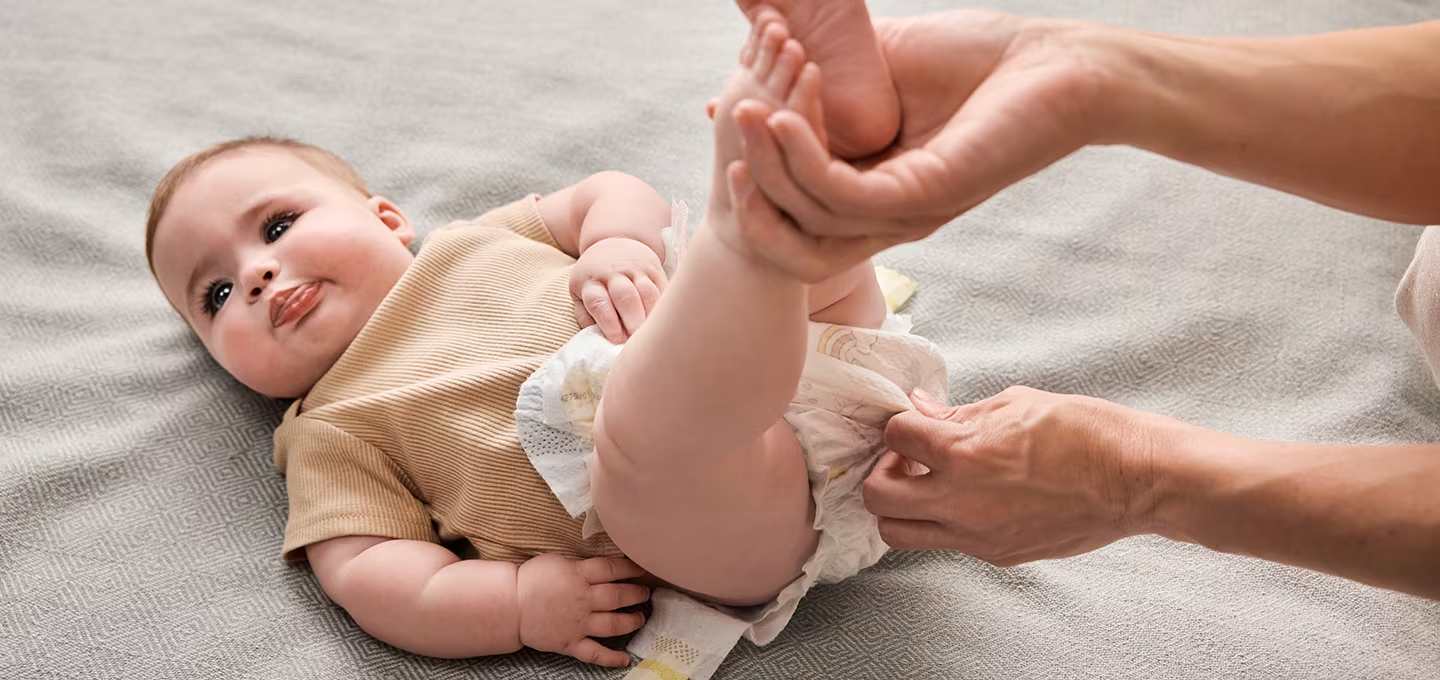
How to Change a Diaper: Your Step-by-Step Guide



In this article

How to Change a Baby’s Diaper

What Do You Need to Change a Diaper?

How to Change a Boy’s Diaper

How to Change a Girl’s Diaper

How to Change Your Newborn’s Diaper

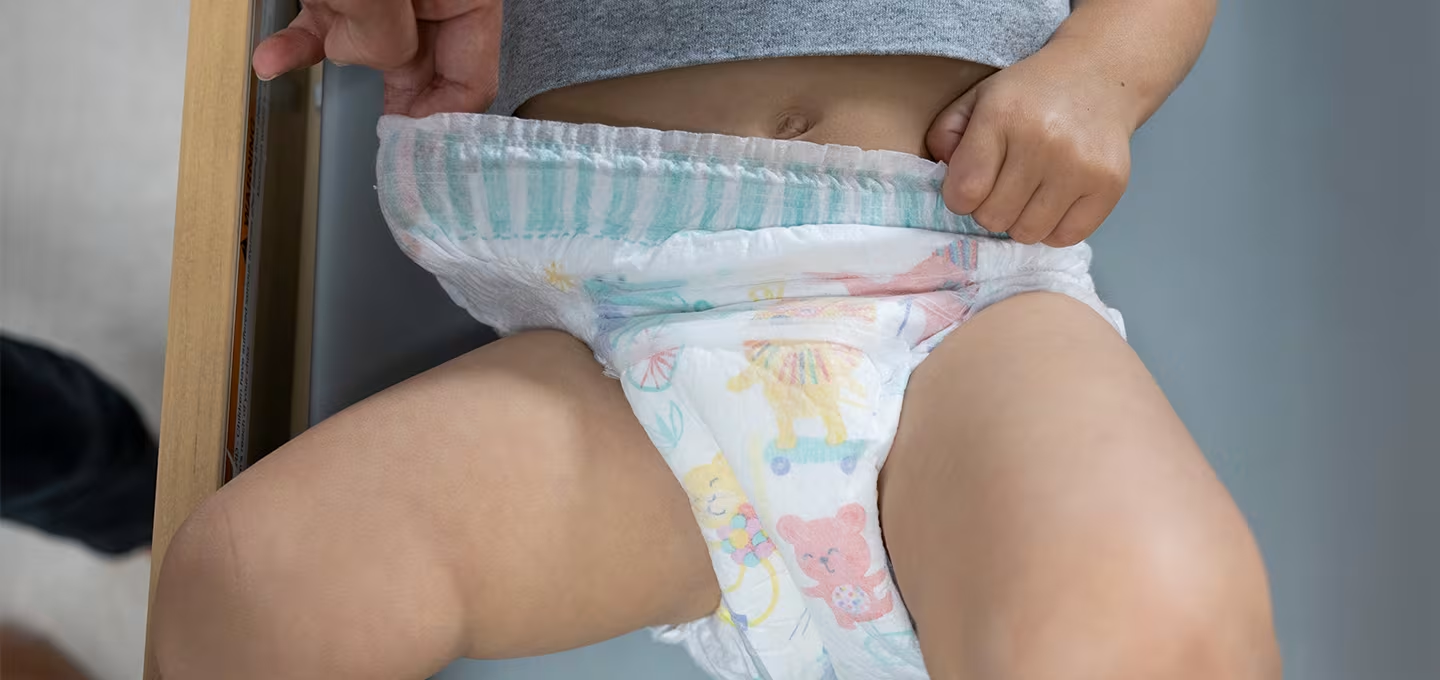
How to Change Your Toddler’s Diaper

How to Change a Poopy Diaper

How Frequently Should You Change a Diaper?

How Do You Know It’s Time for a Diaper Change?

What Are the Signs Your Baby Needs a Bigger Diaper?

What to Do if the Diaper Is Leaking
🍼 In a Hurry? How to Change a Diaper – Quick Guide
Learning how to change a diaper is a quick skill that keeps your baby clean and comfortable and helps prevent rashes. With a few supplies and a simple routine, you can handle wet or dirty diapers confidently at home or on the go.
What you’ll need:
In this guide, you’ll learn the safest step-by-step method, tips for squirmy babies, and how to clean up messes efficiently—starting with setting up your changing area and washing your hands.
How to Change a Diaper: Step-by-Step Instructions
One of the most common questions from new parents is, “How do you change a diaper?” It may feel like a tricky task at first, but after a few changes, you’ll soon become a diaper-changing expert.
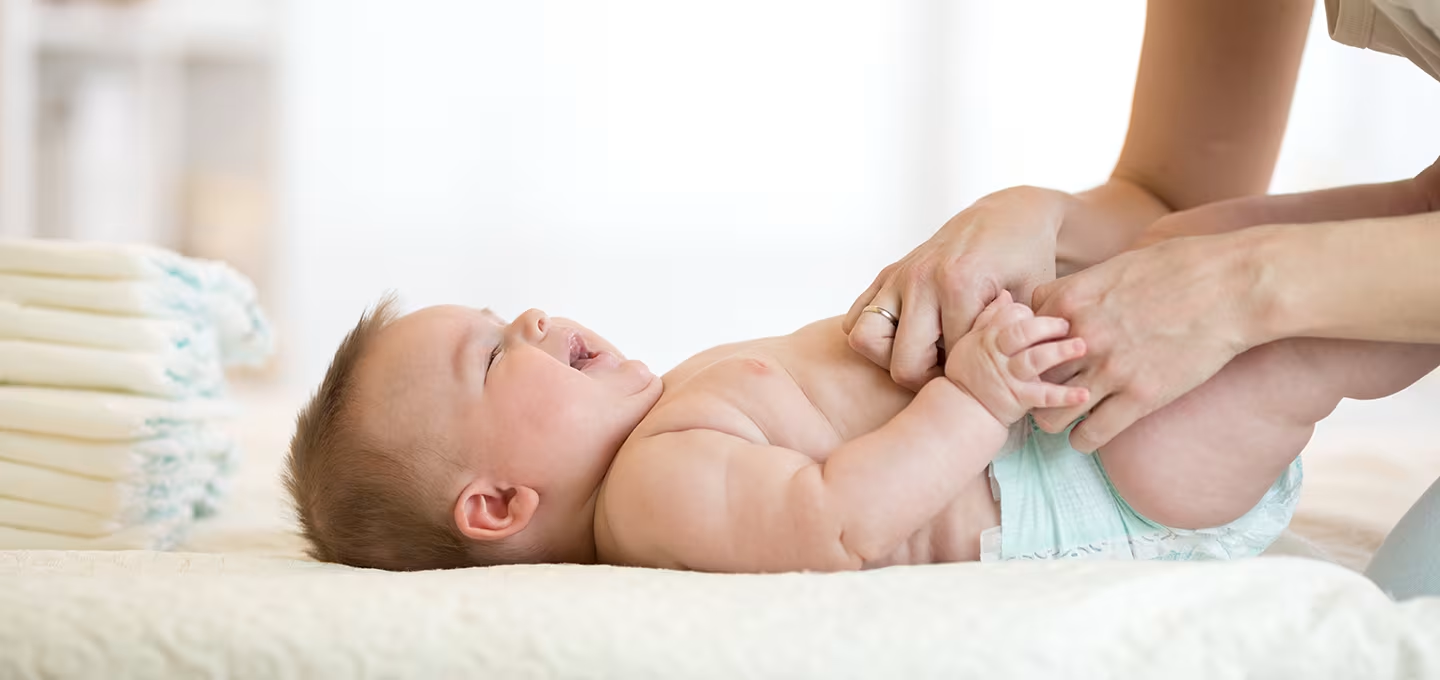
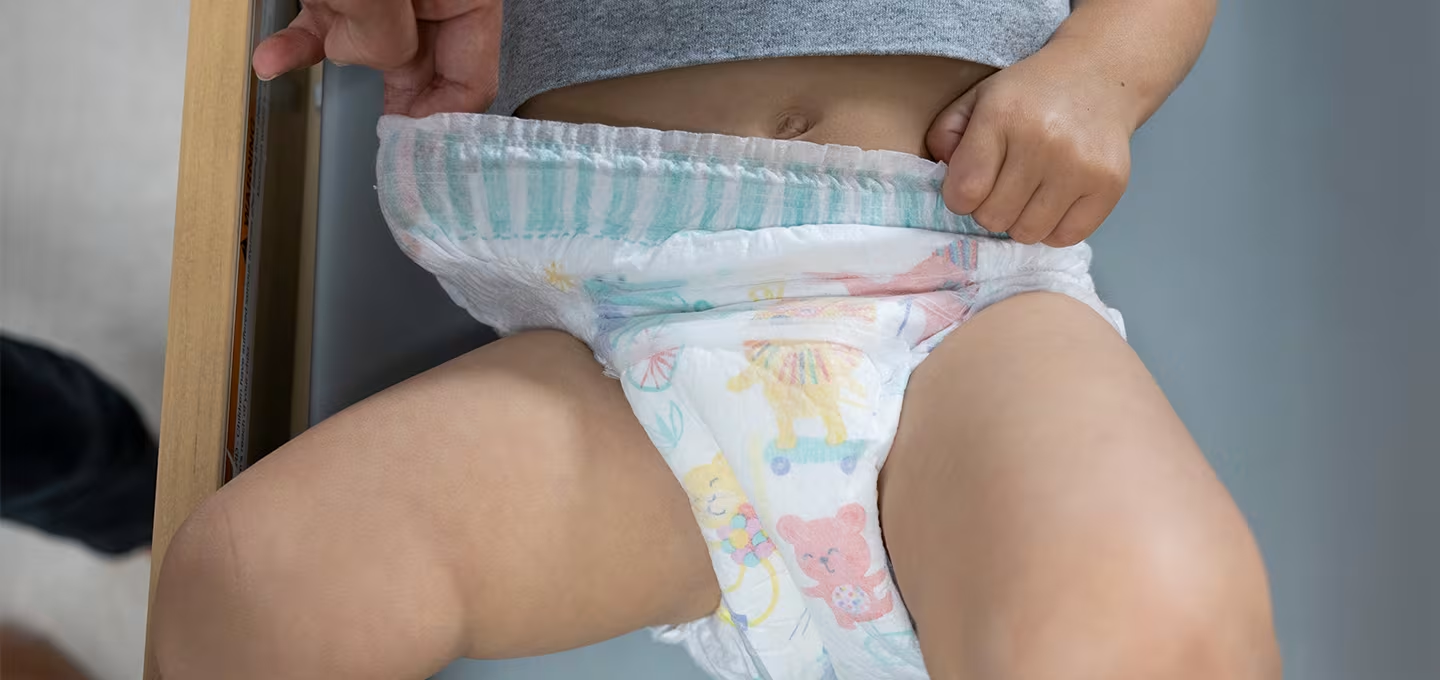
Before you change the diaper, make sure you have all the essentials you’ll need within reach. Once you’re ready, here’s how to change your baby's diaper in a few easy steps:
How to Change a Diaper: Step-by-Step Instructions
One of the most common questions from new parents is, “How do you change a diaper?” It may feel like a tricky task at first, but after a few changes, you’ll soon become a diaper-changing expert.
Before you change the diaper, make sure you have all the essentials you’ll need within reach. Once you’re ready, here’s how to change your baby's diaper in a few easy steps:
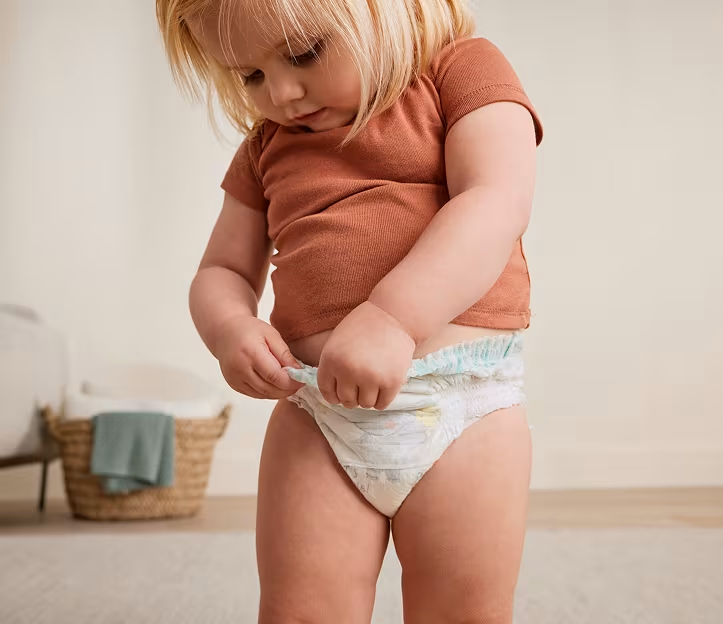
Find the perfect diaper
Every baby is unique, and so are their diapering needs. Take our quick quiz to discover the diaper that fits your little one’s stage, comfort, and lifestyle – because the right fit makes all the difference.
Tailored to your baby’s needs
Quick, fun, and stress-free
Clear recommendation + handy tips
From Diaper Changes to Daily Care—We’ve Got You Covered!
Download Your Free Guide Today:
What Do You Need to Change a Diaper?
Having the right diaper changing supplies and essentials on hand can often make diapering a little easier. You might also choose to set up a diaper changing station, which could be a simple corner of a room. Here are some items needed for your “diaper changing station”:
Consider setting up a diaper changing station in your baby’s nursery, or in the corner of your bedroom or living area. This station should include all the essentials you need for diaper changes, as well as the clothes your little one will change into. By having everything within arm's reach, you can keep your focus on your baby without having to look away or use your hands for anything else.
Tip
As you stock up on diapers and wipes, don’t forget you can get rewarded for your purchases! Download the Pampers Rewards app to start earning Pampers Cash today.
Supplies Checklist for Diaper Changes
Keep these supplies within arm’s reach to make diaper changes easier and more efficient:
Optional but helpful:
Diaper-Changing Tips
Learning how to change your baby’s diaper is a skill you’ll master quickly—you’ll get lots of practice! From discovering newborn diaper-changing tips to changing a busy toddler’s diaper, here are our top tips to keep your baby clean, comfortable, and happy at every stage.
How to Change Your Newborn’s Diaper
If you're wondering how to change a diaper for your newborn, you're not alone. Many parents find those first few changes a little daunting, but with some practice—and lots of diapers—you’ll soon feel more confident.
Step-by-step tips for diapering a newborn
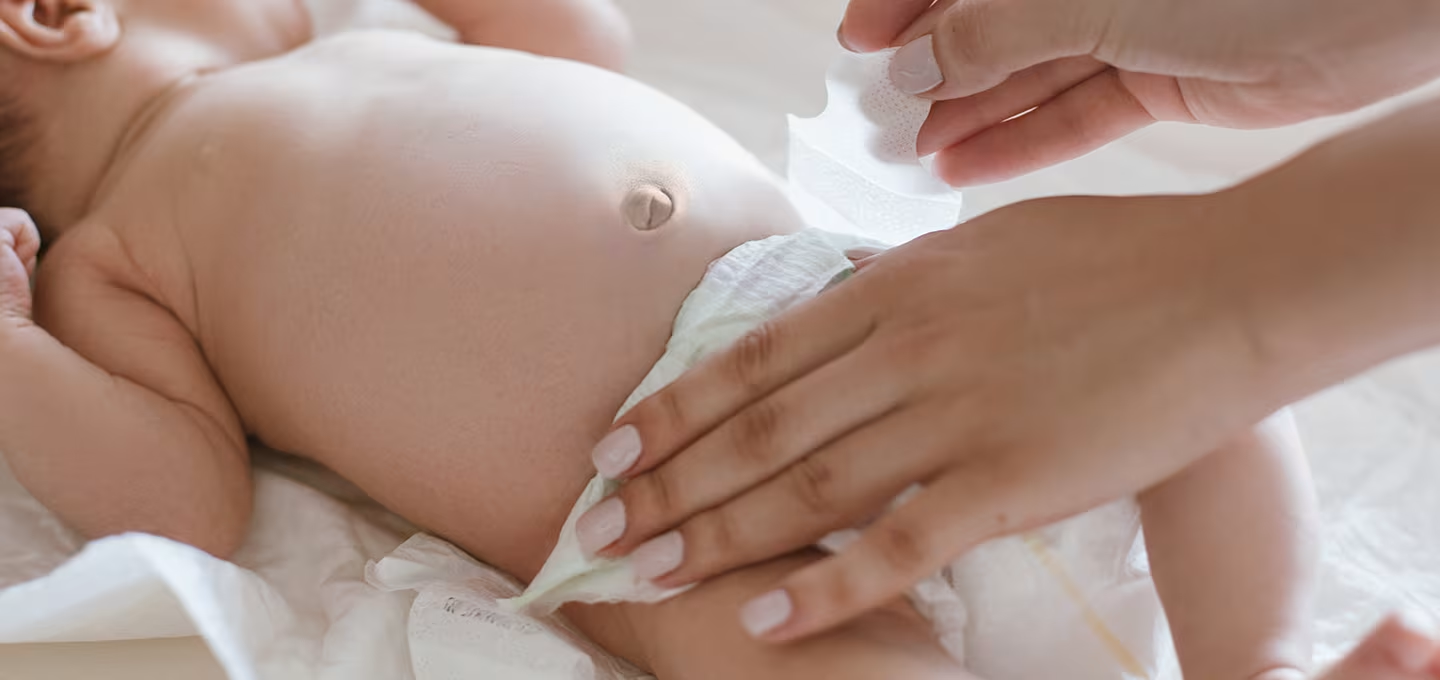
To get started, follow the basic steps in our guide on how to change a baby’s diaper. Right after birth, your nurse, midwife, or doula may walk you through a few diaper changes to help you get comfortable with the process.
Your newborn might go through up to 10 diapers a day, so it’s a great time to get familiar with how to put a diaper on a newborn.
Here are a few tips tailored for newborn diaper changes:
You might also see:
When in doubt, reach out to your provider with questions about what’s normal in your baby’s diaper.
Important Diaper Change Safety Rules
Always follow these safety basics when changing your baby’s diaper:
How to Change a Baby Boy’s Diaper
Changing a newborn boy's diaper brings its own set of tricks. Along with the diaper-changing steps above, try these handy diaper-changing tips for baby boys:
How to Change a Girl’s Diaper
Wondering how to perform a baby girl’s diaper change, and how to wipe? In addition to our general diapering steps, be sure to:
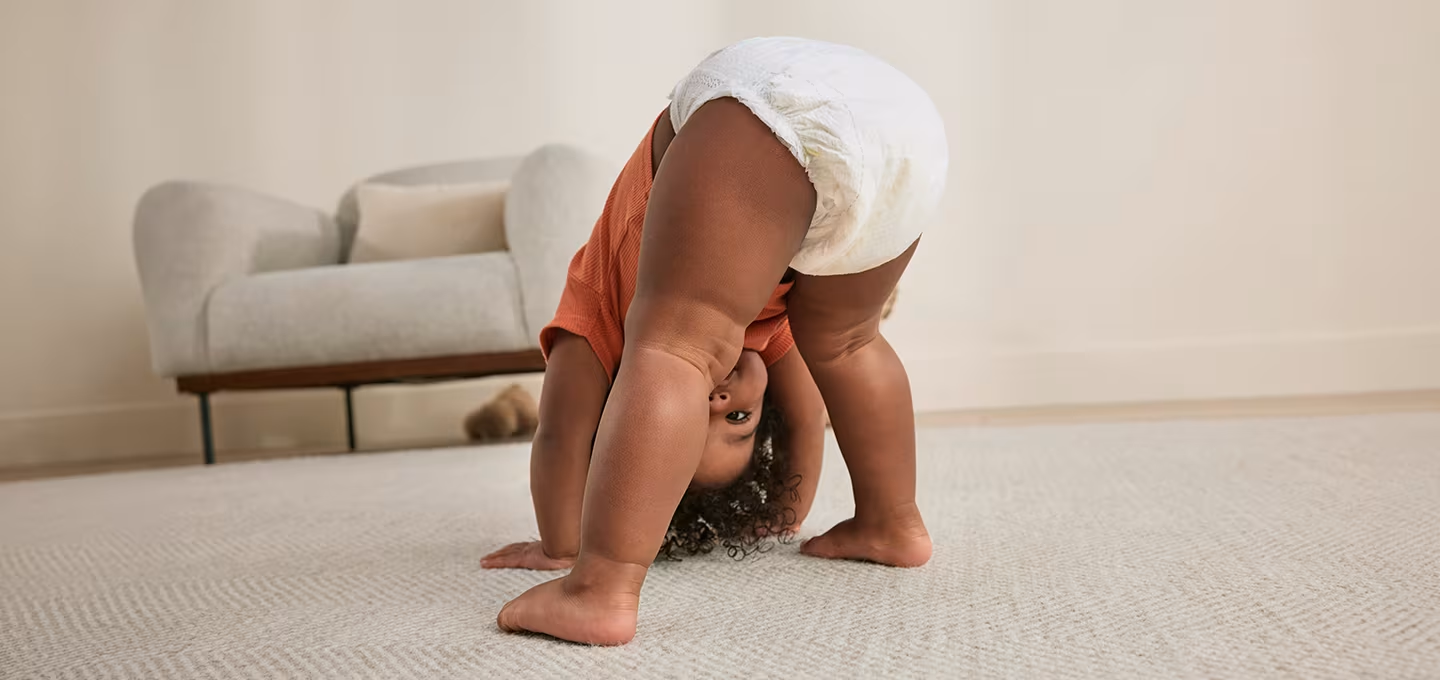
How to Change a Diaper on a Toddler
Changing a wiggly toddler? It’s a whole different ballgame. Here are some changing diaper hacks for busy toddlers:
Talking your toddler through the diaper change and even letting them help can make it more interactive. It’s also a gentle way to start introducing the concept of potty training. You might even let them watch as you dump their poop into the toilet to help make the connection.
Diaper Changes on the Go
Wondering how to change a diaper in public or without a changing table? This can feel overwhelming at first, but with a little preparation, it becomes second nature. Whether you’re out for a walk, dining at a restaurant, or traveling, these tips for diaper changes on the go can help make the experience smoother for both you and your baby.
Tips for public diaper changes:
Pack a well-stocked diaper bag. Include diapers, wipes, a portable diaper changing pad, diaper cream, and a change of clothes.
Use the changing table safely. Always use the safety strap if one is available and keep one hand on your baby at all times.
Follow good hygiene practices. Lay down your own portable diaper changing pad, use hand sanitizer, and dispose of used diapers in a sealed bag or diaper-specific bin.
Practice good diaper changing etiquette. Be respectful of shared spaces. Never leave a mess behind and avoid changing diapers on surfaces not intended for it—like dining tables or benches.
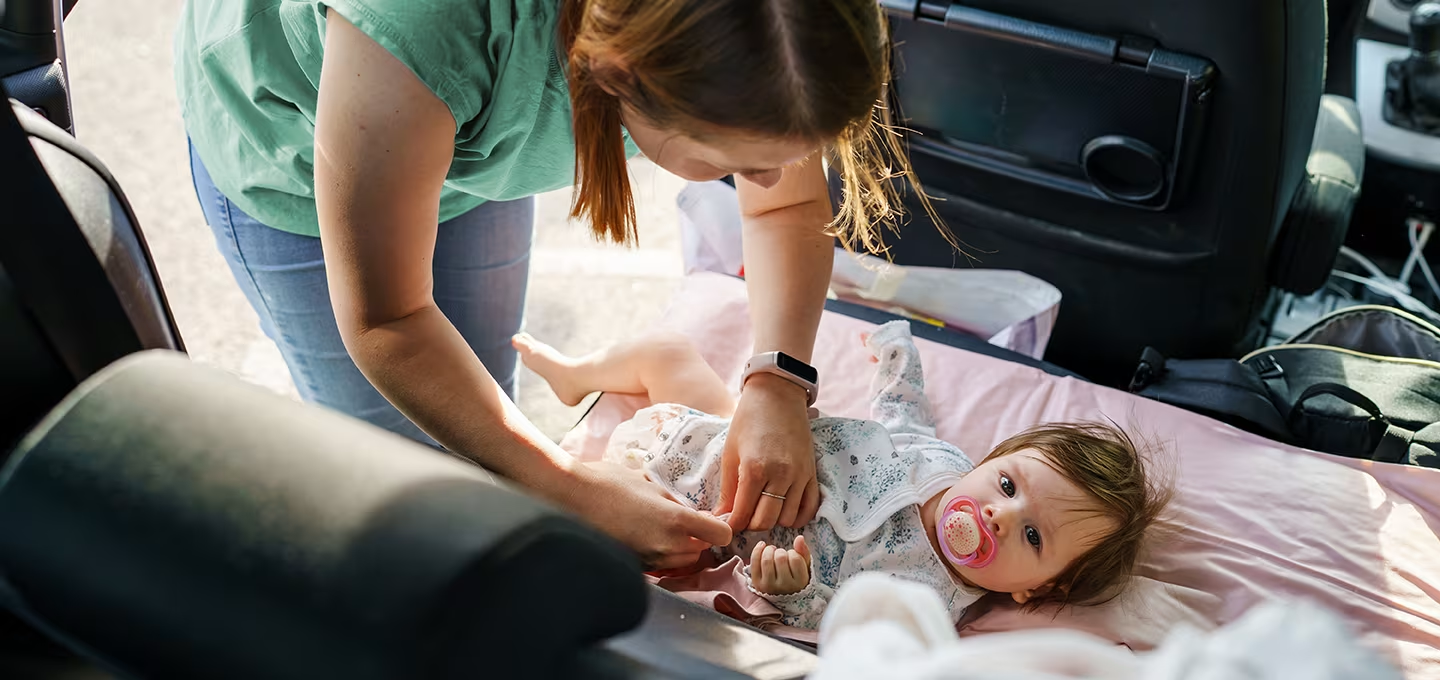
When a public changing table isn’t available, look for a quiet, clean corner with some privacy. You can also change your baby in the car using the back seat or trunk space as a makeshift changing area.
For more tips on handling a diaper change in public, check out this guide on changing diapers in different scenarios.
Parents also ask…
What’s the easiest way to know a diaper is wet?
Many disposable diapers, including Pampers, have a wetness indicator strip that turns color when wet. Otherwise, a quick feel of the diaper’s front or back can help you tell if it’s time for a change.
How do I prevent diaper rash during frequent changes?
Change diapers promptly, keep the skin clean and dry, ensure the diaper fits well, and use a protective barrier cream if you notice irritation. If the rash doesn’t improve within a couple of days, check with your healthcare provider.
Nighttime Diaper Changes: Do You Need Them?
So, how often do you change a diaper at night, and are they even necessary? You usually don’t need to wake your baby for a diaper change at night unless:
If you think your baby needs a diaper change, gently check down the back of their diaper without waking them. Keep nighttime diaper changes calm and quiet to avoid overstimulating your baby.
If you’re wondering, “Do you change a newborn’s diaper at night?” You’ll likely perform nighttime diaper changes more often during the newborn stage. Newborns generally wake up frequently throughout the night because they need to be fed often. So, this is the perfect time to peek into their diaper and change it for a fresh one if needed.
What to Do If Your Baby Dislikes Diaper Changes?
If your newborn fusses, squirms, or cries during diaper changes, you're not alone. Many babies dislike being undressed or lying still, especially if they're cold or overstimulated.
Here are a few calming strategies you can try if your baby fights or simply seems to hate diaper changes:
If your baby seems uncomfortable due to a diaper rash or sensitive skin, check with your baby’s healthcare provider to rule out irritation or allergies. Discomfort during diaper changes can sometimes be linked to skin issues or developmental phases where your baby is asserting independence.
Parents also ask…
How do I keep my baby from wriggling during a diaper change?
Keep one hand on your baby for safety and use a small toy, song, or gentle narration to keep them distracted. Setting up a consistent diaper-changing routine can also make the process calmer over time.
Why does my baby fuss more during nighttime diaper changes?
Many babies dislike being disturbed when they’re drowsy. Keeping lights dim and movements slow can make nighttime diapering more peaceful.
Diaper Disposal and Disinfecting Your Changing Table
Knowing how to dispose of diapers properly can help reduce odors and limit the spread of germs in your baby’s space. Seal used diapers tightly and place them in a designated bin; for step-by-step guidance, see how to dispose of diapers.
Just as important is disinfecting diaper changing table surfaces regularly. After each change, wipe the area with a baby-safe disinfectant or soap and water, especially if there’s visible soiling. According to the CDC, cleaning and disinfecting high-touch surfaces helps lower the risk of germ transmission.
FAQS AT A GLANCE
Newborns typically go through about eight to twelve diapers a day. Frequent changes help keep your baby’s skin clean and may reduce the risk of diaper rash.
The Bottom Line
Even if diaper changes aren’t your favorite part of the day, they’re an important opportunity to bond with your baby—and keep them feeling clean, dry, and comfortable. As you gain experience, diapering becomes second nature.
In the early weeks, expect to change your baby’s diaper about 10 times a day, especially after each poop or when the diaper is wet. Learn more about how often to change a diaper as your baby grows and their habits change.
If leaks or red marks start to show up, it might be time for a bigger size. Look for signs your baby’s diaper doesn’t fit well, like the tapes don’t reach the center, you notice red marks on your baby’s skin, you can’t fit two fingers under the waistband, or your baby seems uncomfortable. Our diaper size and weight chart and diaper size quiz can help you find the best fit.
And if you’re dealing with frequent blowouts or damp clothes, check out our guide on how to prevent diaper leaks and blowouts—including finding the right diaper fit—for helpful troubleshooting tips.
With the right routine—and the right diapers—you’ll be well on your way to diapering success.
- American Academy of Pediatrics. Caring for Your Baby and Young Child: Birth to Age 5, 7th ed. (New York: Bantam Books.)
- CDC. “Healthy Habits: Diaper Changing at Home.”
- Healthy Children. “Baby's First Days: Bowel Movements & Urination.”
- Healthy Children. “Changing Diapers.”
- Healthy Children. “Changing Table Safety.”
- Healthy Children. “How to Calm a Fussy Baby: Tips for Parents & Caregivers.”
- Kids Health. “Diapering Your Babyg.”
- La Leche League. “How Do I Travel with my Baby?”
- La Leche League. “Poop and Pee in the Exclusively Breastfed Baby.”
- Zero to Three. “One Diaper at a Time.”
Read more about Baby
Join a World of Support
through Pregnancy and Parenthood.
TRACK WITH TOOLS
LEARN WITH EXPERTS
GET REWARDED




Where You Already Belong